
Understanding Pectoralis Repair
If you’ve experienced a sudden, severe pain in your chest or armpit, often accompanied by a “pop” or tearing sensation, particularly during heavy lifting or pressing movements, you might have torn your pectoralis major tendon. If this has happened, your doctor might recommend a Pectoralis Repair to reattach the torn tendon and restore strength and function to your chest and arm.
What’s Going On with Your Pectoralis Tendon?
Your pectoralis major (often simply called “pec”) is the large, fan-shaped muscle that makes up the bulk of your upper chest. It has two main parts: a larger part originating from your breastbone (sternum) and a smaller part from your collarbone (clavicle). These two parts come together to form a very strong, flat tendon that attaches to the front of your upper arm bone (humerus), just below your shoulder joint.
The pectoralis major muscle is crucial for many arm movements, including:
- Adduction: Bringing your arm down towards your body (e.g., performing a “pec fly”).
- Internal Rotation: Rotating your arm inward (e.g., throwing a punch).
- Horizontal Adduction: Bringing your arm across your body (e.g., hugging).
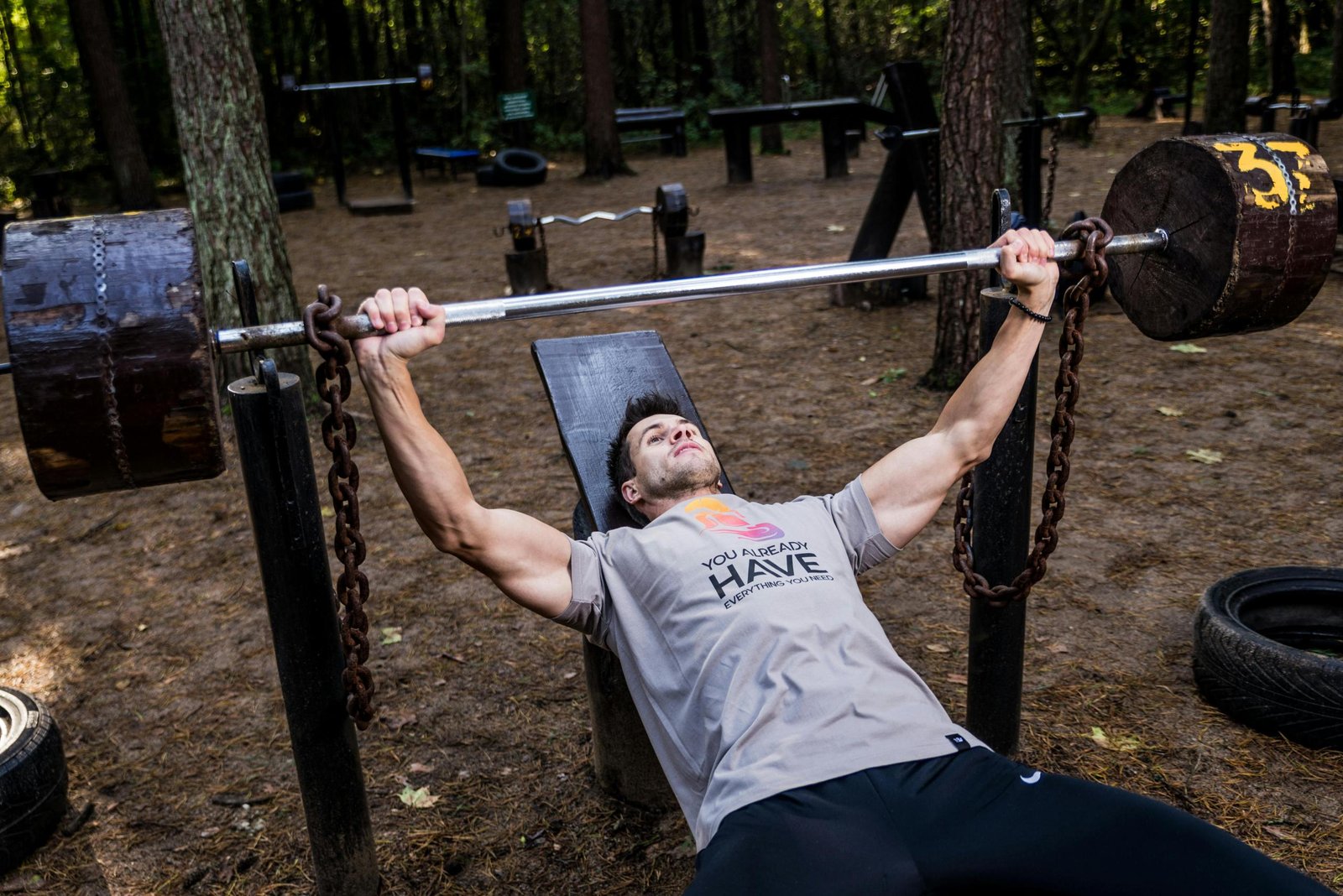
- It is particularly active during pushing movements like bench pressing or push-ups.
A pectoralis tendon tear occurs when this tendon pulls away from its attachment point on the humerus. This usually happens during:
- Sudden, forceful contractions: Especially during heavy weightlifting (e.g., bench press), wrestling, or other contact sports.
- Eccentric loading: When the muscle is contracting while lengthening, such as trying to control a heavy weight that is being lowered.
When the pectoralis tendon tears, you’ll typically experience immediate, intense pain, weakness in pushing movements, swelling, bruising in the chest and armpit, and sometimes a visible deformity or “gap” where the muscle has retracted away from the bone.
How Does Pectoralis Repair Help?
Pectoralis repair surgery aims to reattach the torn tendon firmly back to its original attachment point on the upper arm bone. The primary goal is to restore the normal anatomy, strength, and function of your chest and arm.
During the surgery, the surgeon will:
- Access the Tendon: An incision (cut) is typically made in the armpit or along the front of the shoulder/chest area to locate the torn end of the pectoralis tendon.
- Prepare the Bone: The area on the humerus bone where the tendon originally attached is cleaned and prepared to encourage healing. This might involve roughening the surface or drilling small holes.
- Reattach the Tendon: The torn pectoralis tendon is then securely reattached to the humerus using strong sutures, often tied through tunnels drilled in the bone or secured with specialized fixation devices (like screws or buttons). This holds the tendon firmly in place while it heals back to the bone.
Life After Pectoralis Repair:
After your pectoralis repair, physical therapy is absolutely essential for a successful recovery and to regain the full strength and function of your chest and arm. Your physical therapist will guide you through a carefully structured and progressive rehabilitation program, which typically includes:
- Protecting the Repair: Initially, your arm and shoulder will likely be immobilized in a sling, often for several weeks, to protect the newly repaired tendon and allow it to heal firmly. Strict limitations on movement, especially those involving the pectoralis muscle, will be in place.
- Gradual Movement Restoration: As the tendon heals, you’ll begin very gentle, controlled exercises to slowly regain the range of motion in your shoulder and elbow, being extremely careful not to put stress on the repair.
- Progressive Strengthening: Your therapist will introduce strengthening exercises for your shoulder, chest, and arm muscles. This is vital for rebuilding the powerful pushing and adduction movements.
- Functional Training: As you progress, your therapist will help you gradually return to your daily activities, work tasks, and sports-specific movements, focusing on proper mechanics and a safe, gradual return to heavy lifting or impact activities.
Recovery from a pectoralis repair is a significant process that requires patience and dedication, often taking 6 months to a year or more for a full return to pre-injury activity levels, particularly in heavy lifting or contact sports. Following your physical therapist’s instructions closely is crucial for achieving the best possible outcome and safely returning to your desired activities with a strong, pain-free chest and arm.