
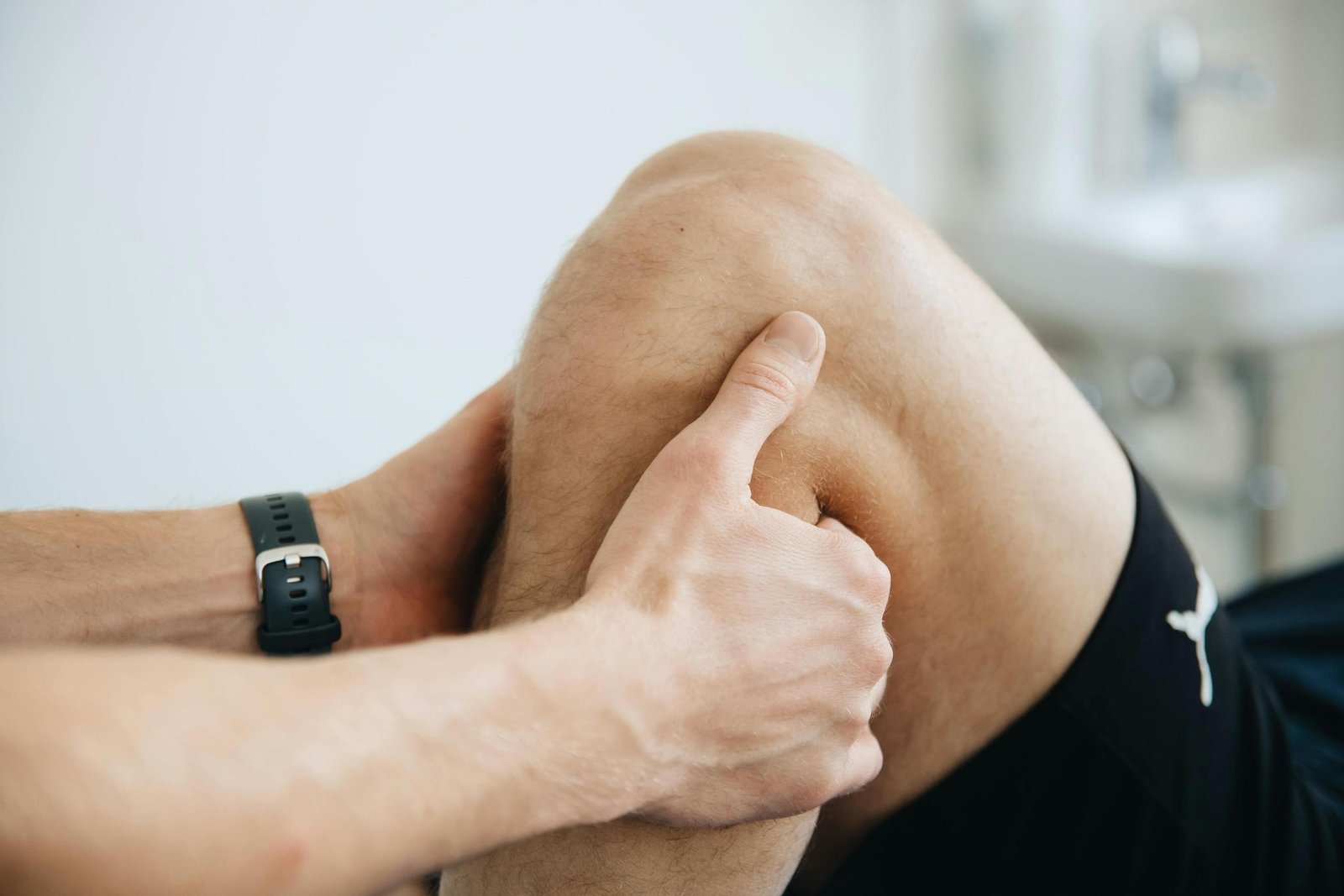
Understanding ACL Reconstruction and Meniscus Repair
If you’ve experienced a sudden knee injury, perhaps from a twisting motion or an awkward landing, resulting in a “pop,” pain, swelling, and a feeling of instability, you might have torn your Anterior Cruciate Ligament (ACL). Often, when the ACL is torn, another important structure in your knee, the meniscus, can also be injured. If both are damaged, your doctor might recommend a combined procedure: ACL Reconstruction and Meniscus Repair. This surgery aims to rebuild the torn ACL and fix the torn meniscus to restore full stability and function to your knee.
What’s Going On with Your ACL and Meniscus?
Your knee is a complex joint where your thigh bone (femur) meets your shin bone (tibia). It’s stabilized by strong ligaments and cushioned by cartilage.
- Anterior Cruciate Ligament (ACL): This is a crucial ligament running diagonally through the center of your knee. Its main job is to prevent your shin bone from sliding too far forward and to control twisting movements of your knee. An ACL tear often happens during sudden stops, pivots, or awkward landings in sports.
- Meniscus: You have two C-shaped pieces of cartilage in each knee, called menisci (plural for meniscus). They act as shock absorbers between your thigh and shin bones, helping to distribute weight evenly and improve knee stability. A meniscus tear can happen from twisting the knee, squatting forcefully, or from the impact that causes an ACL tear.
When both the ACL and meniscus are torn, you’ll experience a combination of severe symptoms: instability from the ACL tear, and potentially pain, catching, locking, or swelling from the meniscus tear. Addressing both injuries is often necessary for a stable, pain-free, and fully functioning knee.
How Does ACL Reconstruction and Meniscus Repair Help?
This combined surgical procedure aims to simultaneously address both the torn ACL and the torn meniscus. The goal is to restore the knee’s stability by replacing the ACL and to preserve the important shock-absorbing and stabilizing function of the meniscus.
The surgery is typically performed arthroscopically, meaning the surgeon uses small incisions (cuts) and a tiny camera (arthroscope) to work inside your knee joint. This minimally invasive approach often allows for:
- Smaller scars
- Less pain after surgery
- Potentially faster initial recovery compared to larger open surgeries
During the procedure, the surgeon will:
- Assess the Damage: The arthroscope provides a clear view of the entire knee joint on a monitor, allowing the surgeon to fully assess both the ACL and meniscus tears.
- Perform Meniscus Repair: If the meniscus tear is in an area with good blood supply (which allows it to heal), the surgeon will use small stitches or specialized devices to repair and reattach the torn edges of the meniscus. This helps preserve the meniscus, which is vital for long-term knee health. If the tear is not repairable, a small, damaged portion may need to be trimmed (meniscectomy), but repair is preferred when possible.
- Perform ACL Reconstruction: A new tendon (graft) is taken (either from your own body, called an autograft, or from a donor, called an allograft). Tunnels are precisely drilled in your thigh and shin bones, and the new tendon graft is threaded through these tunnels and secured in place with screws, buttons, or other fixation devices. This graft will eventually become your new ACL.
Life After ACL Reconstruction and Meniscus Repair:
After this combined surgery, physical therapy is absolutely essential and a very long-term commitment for a successful recovery. The rehabilitation is often more cautious and prolonged than for an isolated ACL repair because of the healing meniscus. Your physical therapist will guide you through a structured, progressive rehabilitation program that often lasts 9-12 months or even longer for a full return to competitive sports. This typically includes:
- Protecting Both Repairs: Initially, your knee will be in a brace, and you will likely use crutches with strict limitations on how much weight you can put on your leg, particularly to protect the meniscus repair.
- Gradual Movement Restoration: You’ll begin gentle, controlled exercises to slowly regain the full range of motion in your knee, being very careful not to put stress on the healing meniscus.
- Progressive Strengthening: Your therapist will introduce strengthening exercises for your quadriceps, hamstrings, glutes, and calf muscles. This is vital for providing dynamic stability to the knee.
- Balance and Proprioception Training: Exercises to improve your balance and your body’s awareness of your knee’s position in space, crucial for preventing re-injury.
- Agility and Sport-Specific Training: For athletes, the later stages of rehab involve drills to restore agility, jumping, landing, and cutting abilities, progressing safely back to sports once both the ACL and meniscus are fully healed and strong.
Recovery from ACL reconstruction and meniscus repair is a significant process that requires immense patience, dedication, and strict adherence to your physical therapy program. Following your therapist’s instructions closely is crucial for achieving the best possible outcome, preventing re-injury, and safely returning to your desired activities with a stable and confident knee.