
Understanding ACL Repair
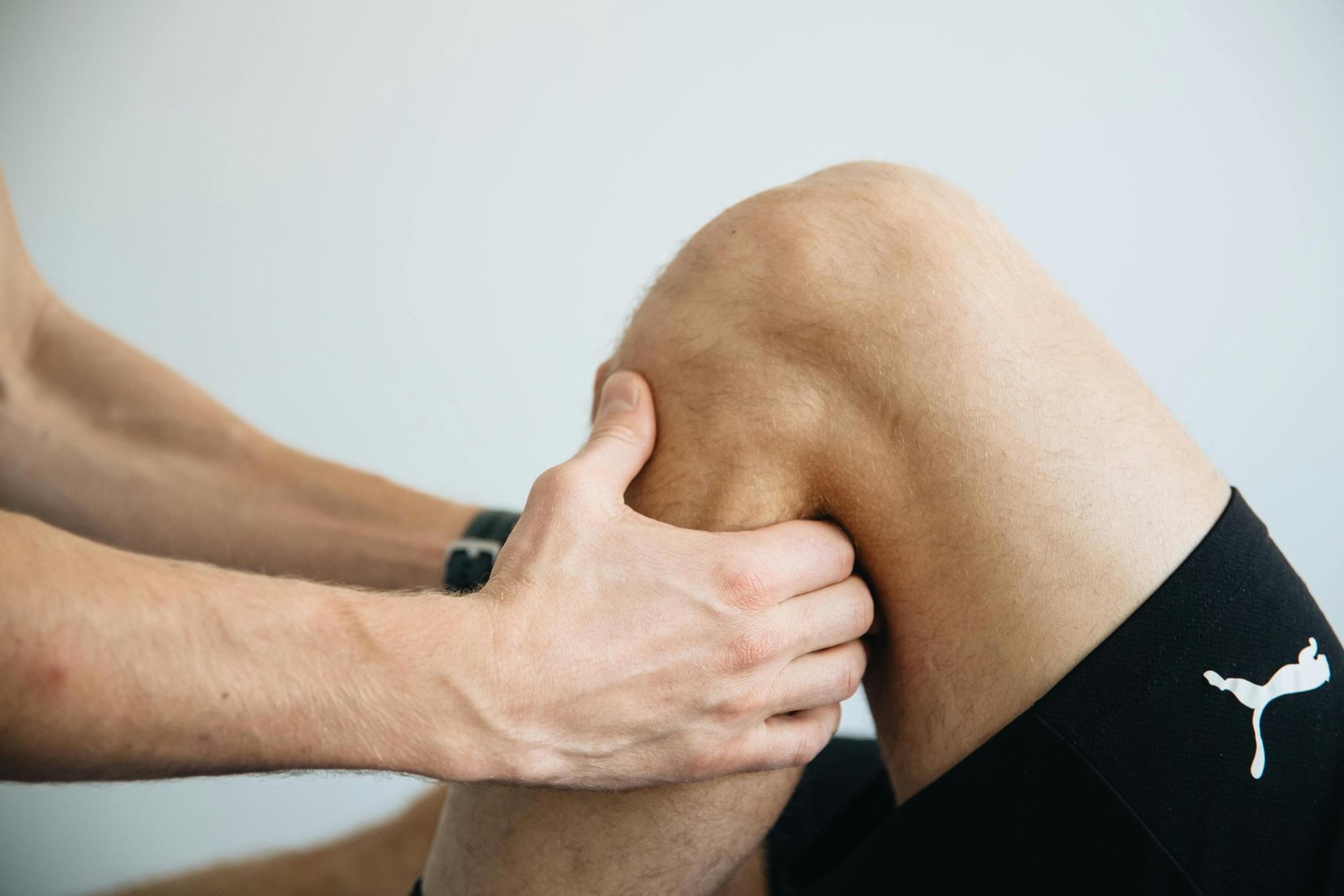
If you’ve experienced a sudden “pop” in your knee, followed by pain, swelling, and a feeling that your knee is unstable or “giving out” during quick movements, you might have torn your Anterior Cruciate Ligament (ACL). While ACL Reconstruction (replacing the ligament with a new graft) has been the traditional approach, for specific types of tears, your doctor might discuss a newer option called ACL Repair. This procedure aims to directly fix your own torn ACL, rather than replacing it.
What’s Going On with Your ACL?
Your knee joint connects your thigh bone (femur) to your shin bone (tibia). The Anterior Cruciate Ligament (ACL) is a crucial ligament running diagonally through the center of your knee. Its main job is to prevent your shin bone from sliding too far forward and to control twisting movements of your knee.
An ACL tear often occurs during activities that involve:
- Sudden stops or changes in direction: Pivoting, cutting, or sidestepping, common in sports.
- Awkward landings: From a jump.
- Direct blows: To the side of the knee.
When the ACL tears, you might hear a “pop,” feel immediate pain, and experience rapid swelling. Without a functional ACL, your knee can feel unstable, “give way” during twisting or pivoting, and make it difficult to participate in sports or even daily activities that require quick changes in direction.
Traditionally, a torn ACL was replaced because it was thought that the ligament couldn’t heal on its own. However, advancements in surgical techniques have shown that for certain types of tears (often those closer to the bone attachment and with good quality tissue), a direct repair might be possible.
How Does ACL Repair Help?
ACL repair is a surgical procedure that focuses on directly stitching your torn ACL back together and reattaching it to the bone, often without the need for a graft from another part of your body. The goal is to preserve your natural ACL, potentially leading to faster recovery times and maintaining some of the natural nerve endings in the ligament that contribute to knee awareness (proprioception).
This procedure is typically performed arthroscopically, meaning the surgeon uses small incisions (cuts) and a tiny camera (arthroscope) to work inside your knee joint. This minimally invasive approach allows for:
- Smaller scars
- Less pain after surgery
- Potentially faster initial recovery compared to open surgery.
During the surgery, the surgeon will:
- Assess the Tear: The arthroscope provides a clear view of the torn ACL. The surgeon will determine if the tear is suitable for repair (e.g., if the torn ends are close together and the tissue quality is good).
- Prepare the Torn Ends: The torn edges of the ACL are carefully prepared to encourage healing.
- Stitch and Secure the Ligament: The surgeon uses specialized sutures and techniques to stitch the torn ACL ends back together. The repaired ligament is then secured to the bone, often using anchors or fixation devices, to hold it firmly in place while it heals. Sometimes, techniques to enhance blood supply or add internal bracing are also used to support the repair.
Life After ACL Repair:
After your ACL repair, physical therapy is absolutely essential for a successful recovery and to regain full strength, stability, and function in your knee. While initial recovery might be quicker than reconstruction, the overall rehabilitation pathway remains crucial and often structured similarly to allow for proper healing of your own ligament. Your physical therapist will guide you through a structured, progressive rehabilitation program, which typically includes:
- Protecting the Repair: Initially, your knee will be in a brace, and you’ll likely use crutches with strict limitations on how much weight you can put on your leg, to protect the newly repaired ligament.
- Gradual Movement Restoration: You’ll begin gentle, controlled exercises to slowly regain the full range of motion in your knee, preventing stiffness.
- Progressive Strengthening: Your therapist will introduce strengthening exercises for your quadriceps, hamstrings, glutes, and calf muscles. This is vital for providing dynamic stability to the knee.
- Balance and Proprioception Training: Exercises to improve your balance and your body’s awareness of your knee’s position in space, which is crucial for preventing re-injury.
- Agility and Sport-Specific Training: For active individuals, the later stages of rehab involve drills to restore agility, jumping, landing, and cutting abilities, progressing safely back to sports.
Recovery from ACL repair is a significant process that requires patience, dedication, and strict adherence to your physical therapy program. Following your therapist’s instructions closely is crucial for achieving the best possible outcome and safely returning to your desired activities with a stable and confident knee.