
Understanding Cartilage Repair Procedures
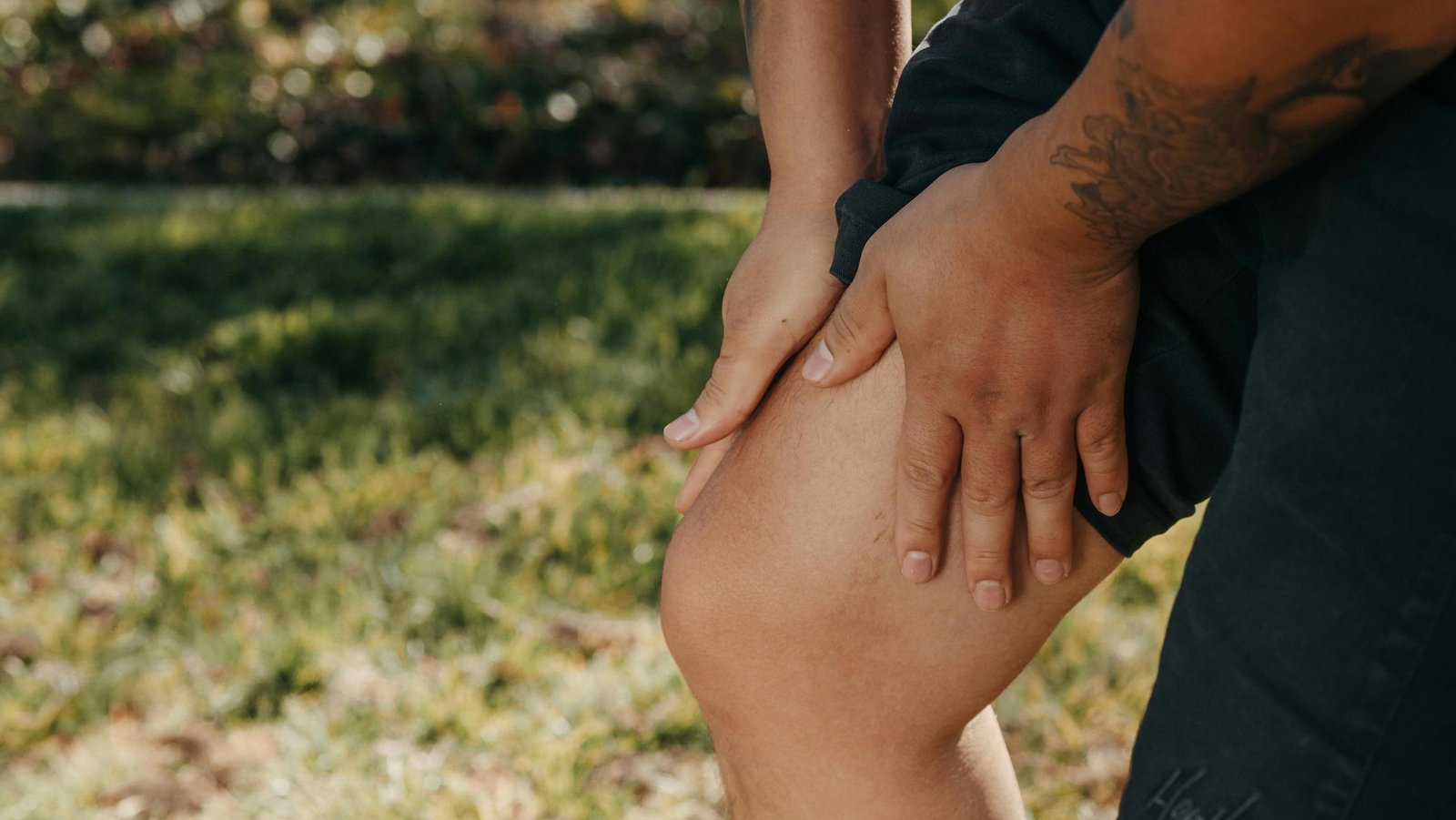
If you’ve been experiencing persistent knee pain, swelling, catching, or a feeling of your knee “giving way,” especially after an injury or from ongoing wear and tear, you might have damaged the cartilage in your knee joint. If this damage is significant and isolated, your doctor might discuss a Cartilage Repair Procedure. These surgeries aim to repair or regrow the smooth cartilage surface to reduce pain and improve joint function.
What’s Going On with Your Joint Cartilage?
Your knee joint, like many other joints in your body, has surfaces covered by a very smooth, slippery tissue called articular cartilage (or hyaline cartilage). This cartilage acts as a shock absorber and allows the bones to glide effortlessly against each other during movement, without friction or pain.
Unlike other tissues, articular cartilage has a limited ability to heal itself once it’s damaged. Cartilage damage can occur due to:
- Acute trauma: A sudden impact, twist, or direct blow to the knee (e.g., from sports injuries, falls).
- Overuse or repetitive stress: Leading to gradual wear and tear.
- Osteoarthritis: While cartilage repair procedures focus on isolated defects, severe, widespread cartilage loss is characteristic of osteoarthritis.
- Osteochondritis Dissecans (OCD): A condition where a piece of bone and its overlying cartilage separate from the joint surface.
When articular cartilage is damaged, it can lead to rough surfaces, pain, catching sensations, swelling, and eventually, if left untreated, can progress to more widespread arthritis. Cartilage repair procedures are typically considered for isolated defects (specific areas of damage) rather than widespread arthritis.
How Do Cartilage Repair Procedures Help?
Various cartilage repair procedures are designed to either repair existing damaged cartilage or stimulate the growth of new cartilage tissue. The goal is to create a smoother, more pain-free joint surface and potentially slow down the progression of further cartilage degeneration. The specific procedure chosen depends on the size, location, and depth of the cartilage defect, as well as your age and activity level.
Some common cartilage repair procedures include:
- Microfracture: Small holes are drilled into the bone beneath the damaged cartilage. This stimulates bleeding from the bone marrow, bringing cells that can form new cartilage (though often a less durable type called fibrocartilage) to fill the defect.
- Autologous Chondrocyte Implantation (ACI): This is a two-stage procedure. First, healthy cartilage cells are harvested from a non-weight-bearing area of your own knee. These cells are then sent to a lab to grow. In a second surgery, these multiplied cells are implanted into the cartilage defect.
- Osteochondral Autograft Transfer System (OATS / Mosaicplasty): This involves taking small, cylindrical plugs of healthy bone and cartilage from a less weight-bearing area of your own knee and transferring them to fill the defect. It’s like taking small “cores” of healthy tissue and plugging them into the damaged area.
- Osteochondral Allograft Transplantation: Similar to OATS, but uses larger grafts of bone and cartilage taken from a deceased donor. This is often used for larger defects.
These procedures can be performed using arthroscopy (small incisions with a camera) or an open incision, depending on the complexity and location of the defect.
Life After Cartilage Repair Procedures:
After a cartilage repair procedure, physical therapy is absolutely crucial for a successful recovery. The rehabilitation is often very specific, cautious, and prolonged to protect the newly repaired or growing cartilage. Your physical therapist will guide you through a structured and progressive program, which typically includes:
- Strict Weight-Bearing Restrictions: You will likely need to use crutches and have very limited or no weight-bearing on the operated leg for several weeks or even months to protect the healing cartilage.
- Controlled Movement: Specific knee brace settings and range of motion limitations will be in place to prevent stress on the healing area. Gentle, controlled exercises will begin to gradually restore motion without putting pressure on the repair.
- Progressive Strengthening: Your therapist will introduce strengthening exercises for the muscles around your knee (quadriceps, hamstrings, glutes) and core, which are vital for supporting the joint.
- Gait Training: As weight-bearing is gradually increased, you will be retrained to walk properly.
- Return to Activity: This is a very slow and cautious process, often taking 6 months to a year or more, especially for high-impact activities or sports, to ensure the cartilage has fully matured.
Recovery from a cartilage repair procedure is a significant commitment that requires immense patience, dedication, and strict adherence to your physical therapy program. Following your therapist’s instructions closely is paramount for achieving the best possible outcome and safely returning to your desired activities with reduced pain and improved knee function.