
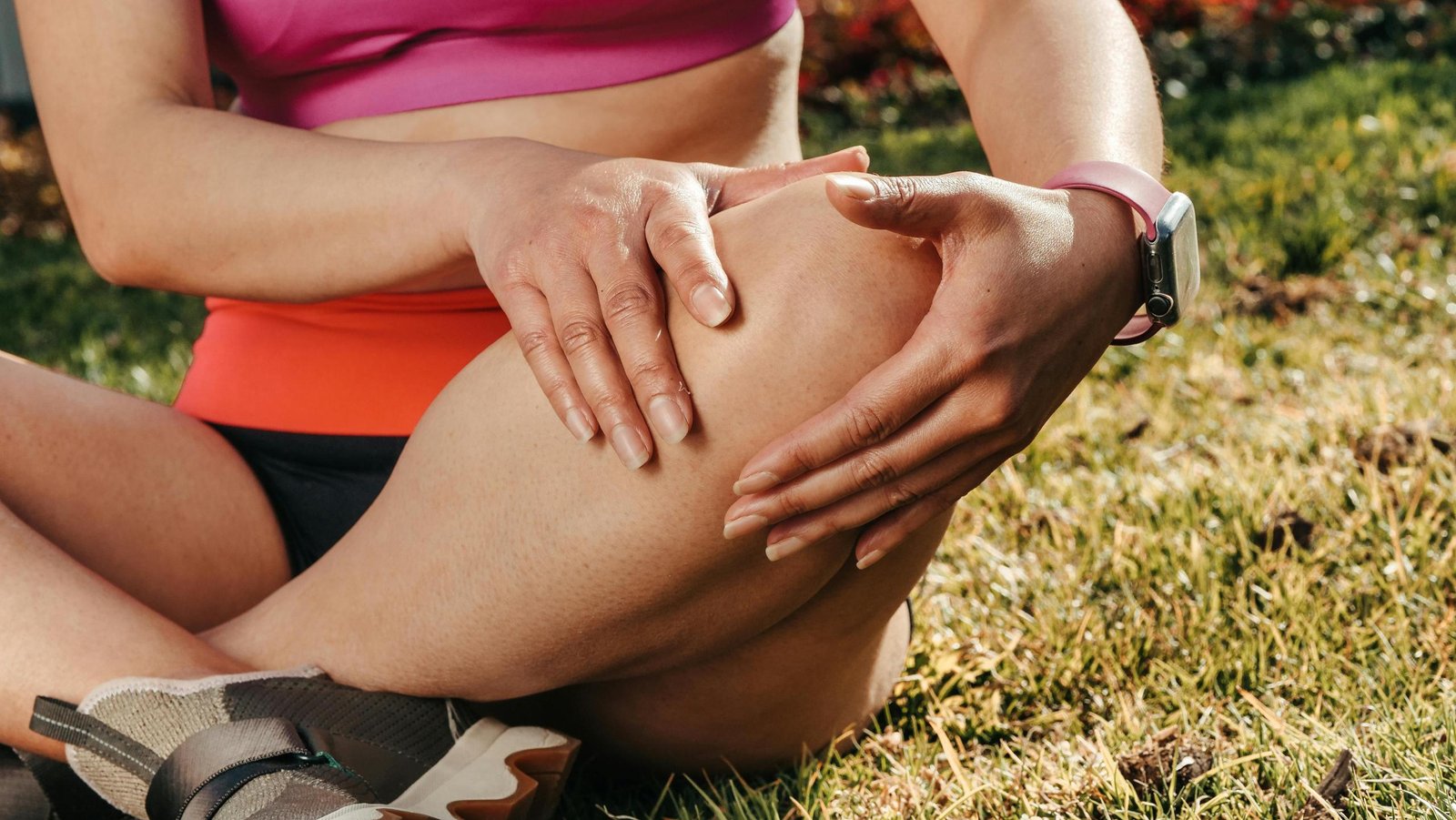
Understanding Knee Pain (Non-Surgical Management)
If you’ve been experiencing pain, stiffness, swelling, or difficulty moving your knee, but surgery isn’t needed or is not an option, you’re likely looking for ways to manage your Knee Pain through non-surgical approaches. This involves a comprehensive strategy focused on understanding the cause of your pain and using various therapies to relieve symptoms, improve function, and allow you to return to your daily activities comfortably.1
What’s Going On with Your Knee?
Your knee is one of the largest and most complex joints in your body, designed to support your body weight and allow for a wide range of movements like walking, running, jumping, and squatting.2 It’s made up of bones (thigh, shin, and kneecap), cartilage, ligaments, and tendons.3
Knee pain is a very common complaint and can stem from many different issues that don’t always require surgery.4 Some common non-surgical causes of knee pain include:
- Osteoarthritis: Gradual wear and tear of the cartilage in the knee joint.5
- Patellofemoral Pain Syndrome (Runner’s Knee): Pain around or behind the kneecap, often due to issues with how the kneecap moves.6
- Tendinopathy/Tendinitis: Inflammation or degeneration of tendons around the knee (e.g., patellar tendinopathy, quadriceps tendinopathy).
- Bursitis: Inflammation of the small, fluid-filled sacs (bursae) around the knee, which can cause tenderness and swelling.7
- Ligament Sprains: Mild to moderate sprains of ligaments like the MCL (Medial Collateral Ligament) or LCL (Lateral Collateral Ligament), which can often heal with conservative care.8
- Meniscus Tears (Degenerative/Stable): Some types of meniscus tears, especially those due to age-related degeneration or small stable tears, can be managed without surgery.9
- Muscle Imbalances or Weakness: Weakness or tightness in the muscles of the thigh, hip, or core can put extra stress on the knee.10
Depending on the cause, knee pain can feel dull or sharp, be constant or intermittent, and may worsen with activity, climbing stairs, or prolonged sitting.11
How Does Non-Surgical Management Help?
Non-surgical management of knee pain is a personalized approach aimed at reducing your pain, restoring your knee’s function, and helping you safely return to your desired activities.12 It typically involves a combination of strategies, with physical therapy often being the cornerstone.13
Your healthcare team might recommend:
- Rest and Activity Modification: Adjusting or temporarily reducing activities that aggravate your knee pain to allow it to calm down.
- Pain and Inflammation Management: This might include over-the-counter or prescription medications, ice, or heat.
- Physical Therapy: A customized program is designed to address the specific causes of your pain.14 Your physical therapist will work on:
- Reducing Pain and Swelling: Using manual therapy, modalities, and gentle exercises.15
- Improving Range of Motion and Flexibility: Through stretches and mobilization techniques.
- Strengthening Muscles: Focusing on the muscles around your knee (quadriceps, hamstrings, calves) and, crucially, those in your hip and core, as weakness in these areas can directly impact knee mechanics.16
- Improving Balance and Coordination: To enhance stability and prevent future injuries.17
- Gait and Movement Analysis: Assessing how you walk and move to identify and correct faulty patterns that might be contributing to your pain.18
- Education: Teaching you about your condition, activity pacing, proper mechanics, and self-management strategies.19
- Bracing or Taping: To provide support or help with kneecap tracking.
- Injections: Such as corticosteroid injections (to reduce inflammation) or hyaluronic acid injections (to lubricate the joint).20
Life with Non-Surgical Knee Pain Management:
Managing knee pain without surgery is a journey that requires commitment to your treatment plan. The goal is to not only alleviate your current pain but also to equip you with the tools and strength to prevent future flare-ups and maintain an active lifestyle. Following your physical therapist’s guidance, consistently performing your home exercises, and making necessary lifestyle adjustments are key to achieving the best possible outcome and living comfortably with your knee.