
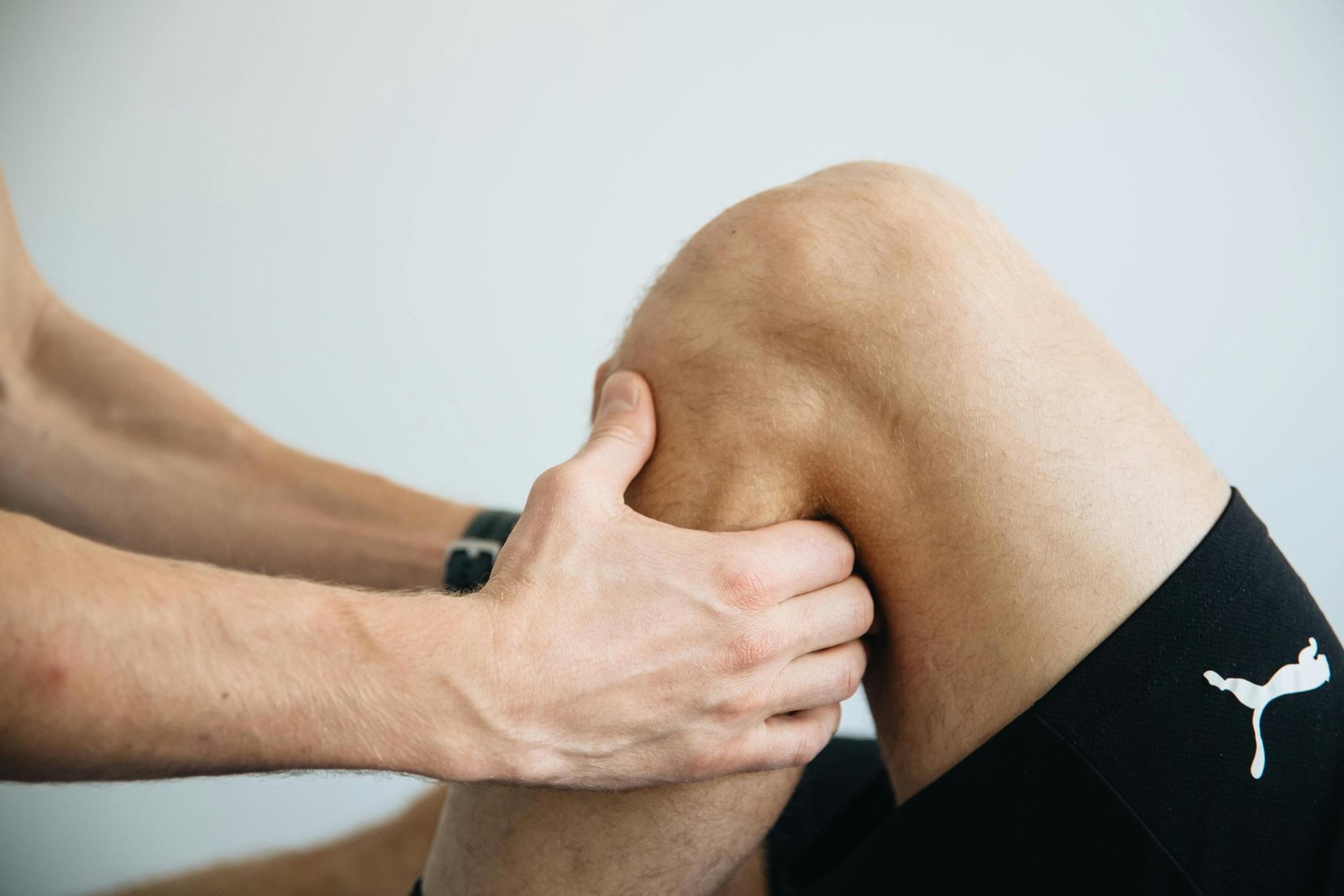
Understanding Meniscal Repair
If you’ve experienced knee pain, swelling, a “pop,” or a feeling of catching, locking, or your knee giving way, especially after a twisting injury, you might have torn your meniscus. If the tear is in a specific area and is repairable, your doctor might recommend a Meniscal Repair surgery. This procedure aims to stitch your torn meniscus back together to preserve its important function in your knee.
What’s Going On with Your Meniscus?
Your knee joint, where your thigh bone (femur) meets your shin bone (tibia), contains two C-shaped pieces of cartilage called menisci (one on the inner side, the medial meniscus, and one on the outer side, the lateral meniscus). These menisci act as:
- Shock absorbers: Cushioning the impact between your thigh and shin bones.
- Stabilizers: Helping to make the knee joint more stable.
- Load sharers: Distributing your body weight evenly across the joint surfaces.
- Lubricators: Aiding in the smooth movement of the knee.
A meniscus tear typically occurs due to:
- Twisting injuries: Especially when the foot is planted and the knee twists (common in sports).
- Forceful squatting or kneeling: Putting a lot of pressure on the menisci.
- Degeneration: In older individuals, the meniscus can weaken and tear more easily, sometimes with minimal trauma.
When the meniscus tears, it can cause pain (often along the joint line), swelling, tenderness, and mechanical symptoms like clicking, catching, or a feeling of the knee “locking up.” While some tears might require removal of the damaged part (meniscectomy), a meniscal repair is preferred when possible because preserving your own meniscus is crucial for the long-term health of your knee joint and can help prevent the development of arthritis later on.
How Does Meniscal Repair Help?
Meniscal repair is a surgical procedure designed to stitch the torn edges of the meniscus back together, allowing it to heal. The goal is to preserve the meniscus’s natural shock-absorbing and stabilizing functions.
This procedure is typically performed arthroscopically, meaning the surgeon uses small incisions (cuts) and a tiny camera (arthroscope) to work inside your knee joint. This minimally invasive approach often leads to:
- Smaller scars
- Less pain after surgery
- Potentially faster initial recovery compared to larger open surgeries.
During the surgery, the surgeon will:
- Assess the Tear: The arthroscope provides a clear view of the meniscus tear. The surgeon will determine if the tear is repairable (e.g., if it’s in an area with good blood supply or is the right type of tear for stitching).
- Prepare the Tear: The torn edges of the meniscus are carefully prepared to encourage healing.
- Stitch the Meniscus: Using small, specialized sutures or fixation devices (like absorbable arrows or staples), the torn edges of the meniscus are carefully stitched or secured back together. This holds the torn parts in place, allowing your body to heal them back into a single, functional unit.
Life After Meniscal Repair:
After your meniscal repair, physical therapy is absolutely essential for a successful recovery. The rehabilitation for a meniscal repair is often more cautious and prolonged than if a part of the meniscus were simply removed (meniscectomy), because the repaired tissue needs time to heal. Your physical therapist will guide you through a structured, progressive rehabilitation program, which typically includes:
- Strict Weight-Bearing Restrictions: Initially, you will likely need to use crutches and have very limited or no weight-bearing on the operated leg for several weeks to protect the repair.
- Controlled Movement: Your knee may be placed in a brace, and your therapist will guide you through gentle, controlled exercises to slowly restore motion, being very careful not to put stress on the healing meniscus (e.g., limiting deep squatting or twisting for a period).
- Progressive Strengthening: Your therapist will introduce strengthening exercises for the muscles around your knee (quadriceps, hamstrings, glutes) and core, which are vital for supporting the joint.
- Balance Training: Exercises to improve your stability and control as you progress.
- Functional Return: As the meniscus heals, your therapist will help you gradually return to your daily activities, work tasks, and sports, focusing on proper mechanics and a safe, gradual progression to prevent re-injury.
Recovery from a meniscal repair is a significant process that requires patience, dedication, and strict adherence to your physical therapy program. Following your therapist’s instructions closely is crucial for achieving the best possible outcome and safely returning to your desired activities with a stable, pain-free knee.