
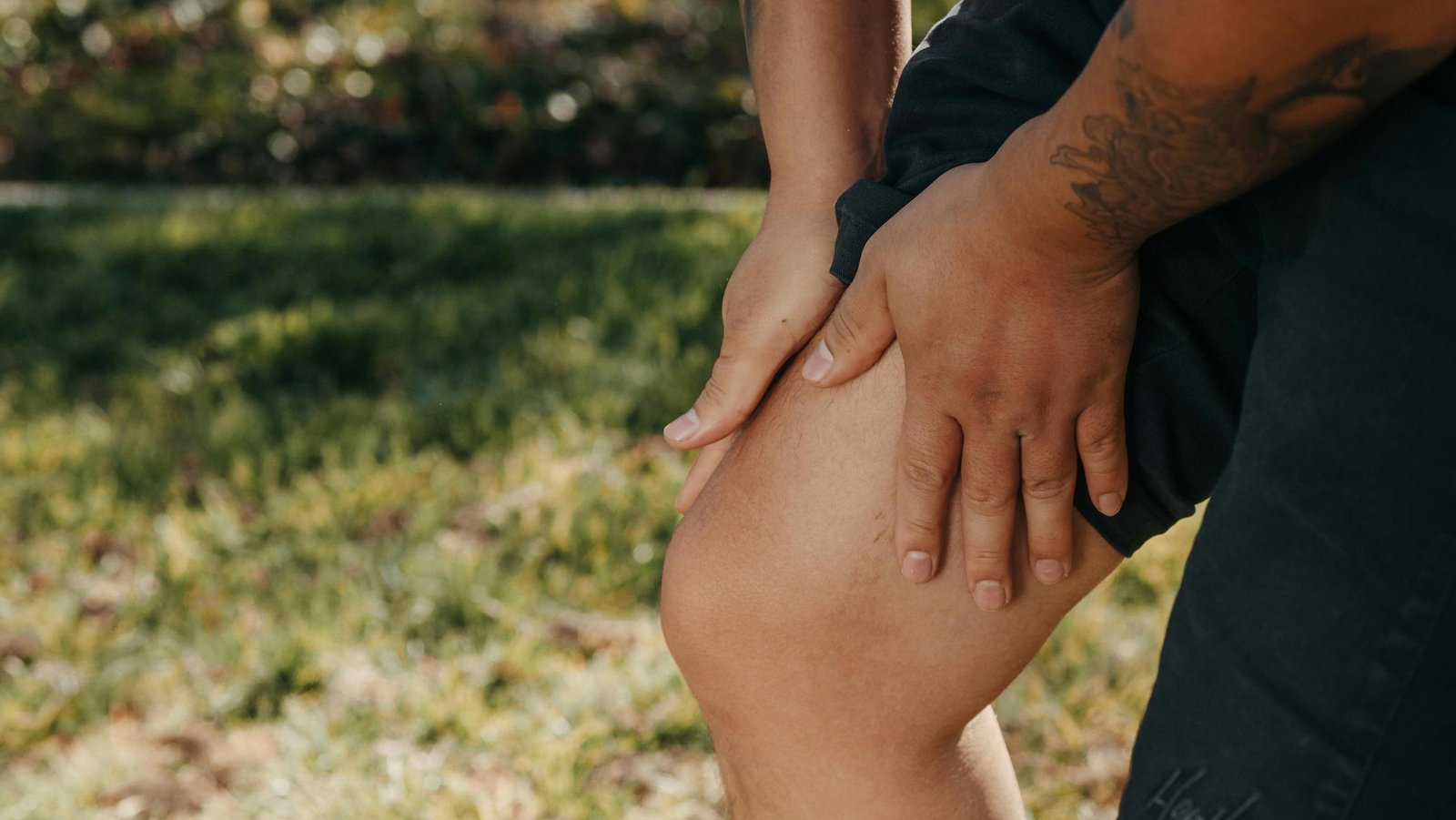
Understanding Patellar Tendon Debridement & Repair
If you’ve been experiencing persistent pain directly below your kneecap, especially with activities like jumping, running, squatting, or going up and down stairs, you might be dealing with patellar tendinopathy (often called “jumper’s knee”). If this pain is severe, has not improved with extensive non-surgical treatments, or if the tendon has a partial tear that continues to cause problems, your doctor might recommend a Patellar Tendon Debridement & Repair procedure. This surgery aims to remove unhealthy tissue and promote healing within the tendon, or to stitch a tear, to relieve pain and improve function.
What’s Going On with Your Patellar Tendon?
Your patellar tendon is a strong, thick band of tissue that connects your kneecap (patella) to your shin bone (tibia). It plays a crucial role in enabling you to extend your knee straight, which is essential for walking, running, jumping, squatting, and kicking. It’s essentially the lower part of the “extensor mechanism” of your knee.
Patellar tendinopathy often develops from:
- Overuse and repetitive stress: Especially common in athletes involved in jumping or explosive leg movements (e.g., basketball, volleyball, track and field).
- Rapid increase in activity level: Without adequate rest or gradual progression.
- Poor mechanics: Issues with running form, jumping technique, or muscle imbalances in the leg or hip.
Unlike a sudden tear (like an ACL tear), tendinopathy is usually a degenerative process. This means the tendon tissue breaks down over time, developing small, microscopic tears and disorganization, rather than inflammation (“tendinitis”). This leads to chronic pain and weakness. If the degeneration progresses, or with a sudden overload, a partial tear can also occur.
When the patellar tendon is affected, you typically feel pain just below the kneecap, which worsens with activity and may feel stiff after rest.
How Does Patellar Tendon Debridement & Repair Help?
When conservative treatments (like physical therapy, activity modification, bracing, and injections) haven’t been successful for severe, chronic patellar tendinopathy or a problematic partial tear, surgery might be considered. The goal of a patellar tendon debridement and repair is to remove the unhealthy, degenerated tendon tissue and stimulate healing, or to directly repair a tear, to alleviate pain and restore the tendon’s ability to withstand load.
The surgery can be performed through a small open incision or, less commonly, arthroscopically.
During the surgery, the surgeon will:
- Access the Tendon: An incision is made over the front of your knee, just below the kneecap, to expose the patellar tendon.
- Debridement (Cleaning Out): The surgeon will carefully inspect the tendon. Any areas of diseased, degenerated, or scarred tissue are precisely removed. This is like trimming away the frayed ends of a rope or clearing out damaged tissue from a wound.
- Stimulate Healing (if debridement only): Sometimes, small cuts or drill holes are made into the bone where the tendon attaches (the tibia) to stimulate a new blood supply and encourage a healing response in the remaining healthy tendon.
- Repair (if torn): If there is a significant partial tear, the surgeon will stitch the torn edges of the tendon together using strong sutures to facilitate healing and restore its integrity.
Life After Patellar Tendon Debridement & Repair:
After a patellar tendon debridement and repair, physical therapy is absolutely crucial for a successful recovery. The rehabilitation is often very structured and progressive to protect the healing tendon while gradually restoring strength and function. Your physical therapist will guide you through a program, which typically includes:
- Initial Protection: Your knee may be immobilized in a brace (often locked straight) and you’ll likely use crutches for a period to protect the healing tendon, especially if a repair was performed.
- Gradual Movement Restoration: You’ll begin gentle, controlled exercises to slowly regain the full range of motion in your knee, being careful to avoid excessive stress on the healing tendon.
- Progressive Strengthening: Your therapist will introduce a comprehensive strengthening program for your quadriceps, hamstrings, glutes, and calf muscles. A strong emphasis will be placed on eccentric strengthening (where the muscle lengthens while contracting), which is very important for tendon health.
- Activity Progression: As the tendon heals and strengthens, you’ll gradually progress to more demanding activities like walking, jogging, and eventually sport-specific drills, with careful monitoring to prevent re-injury.
Recovery from patellar tendon debridement and repair is a significant process that requires patience and dedication, often taking several months to a year or more for a full return to high-level activities, especially jumping sports. Following your physical therapist’s instructions closely and adhering to the progressive loading principles are paramount for achieving the best possible outcome and safely returning to your desired activities.