
Understanding Patellofemoral Syndrome (Non-Surgical Management)
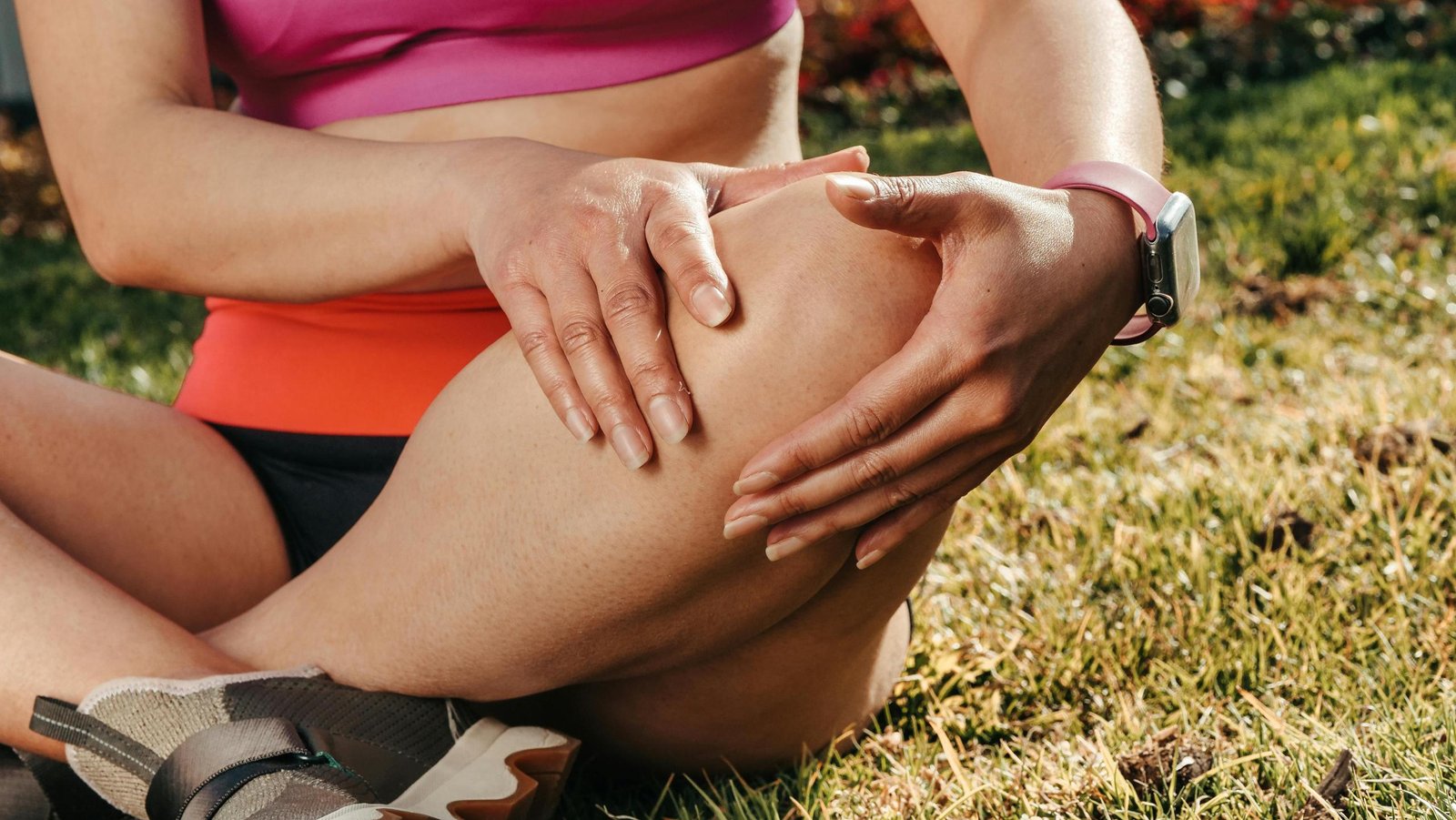
If you’ve been experiencing persistent pain around or behind your kneecap, especially when going up or down stairs, squatting, running, or after sitting for a long time with your knees bent, you might be dealing with Patellofemoral Pain Syndrome (PFPS). Often called “runner’s knee” or “jumper’s knee” (though distinct from patellar tendinopathy), PFPS is a very common condition that is almost always managed effectively without surgery.
What’s Going On with Your Kneecap?
Your kneecap (patella) normally glides smoothly in a shallow groove at the end of your thigh bone (femur) as you bend and straighten your knee. This movement is influenced by many factors, including the strength and flexibility of the muscles in your thigh, hip, and even your foot.
Patellofemoral Pain Syndrome (PFPS) occurs when something causes the kneecap to not track properly in its groove, leading to irritation, friction, and pain. It’s often due to:
- Muscle Imbalances: Weakness in your quadriceps (especially the inner part), hip muscles (like glutes), or core muscles can alter how the kneecap moves.
- Tightness: Tight hamstrings, quadriceps, IT band (iliotibial band), or calf muscles can pull on the kneecap or put abnormal stress on the joint.
- Overuse or Rapid Increase in Activity: Doing too much, too soon, or sudden changes in training intensity.
- Poor Biomechanics: Issues with foot pronation (flat feet), knee alignment (knock-knees), or running/walking form.
- Improper Footwear: Worn-out or unsupportive shoes.
When these factors are present, the kneecap can rub abnormally against the thigh bone, causing pain, grinding sensations, or a feeling of stiffness, especially after activities that involve bending the knee.
How Does Non-Surgical Management Help?
Non-surgical management is the primary and most effective treatment for Patellofemoral Pain Syndrome. It’s a personalized approach aimed at identifying and correcting the underlying causes of your pain, relieving symptoms, and improving your knee’s function. Physical therapy is the cornerstone of this treatment.
Your healthcare team, particularly your physical therapist, will likely recommend a combination of strategies:
- Activity Modification & Pacing: Temporarily reducing or modifying activities that aggravate your pain. This doesn’t necessarily mean complete rest, but smart rest and gradual reintroduction of activities.
- Pain & Inflammation Management: Using ice, anti-inflammatory medications (as advised by your doctor), or other modalities to help manage discomfort.
- Physical Therapy (Core Treatment): Your physical therapist will design a customized exercise program focusing on:
- Strengthening: Key muscles include the quadriceps (especially the VMO muscle which helps track the kneecap), hip abductors (like gluteus medius), hip external rotators, and core muscles. Strengthening these can dramatically improve kneecap tracking and reduce stress.
- Stretching: Improving flexibility in tight muscles like hamstrings, quadriceps, calves, and the IT band.
- Kneecap Taping or Bracing: Specific taping techniques or a specialized brace can help guide the kneecap into a better position during activity, providing immediate relief and allowing you to exercise more comfortably.
- Gait and Movement Retraining: Analyzing your walking, running, or squatting mechanics to identify and correct faulty patterns.
- Proprioception/Balance: Exercises to improve your body’s awareness of your knee’s position and stability.
- Footwear Assessment: Recommendations for supportive shoes or orthotics (shoe inserts) if foot mechanics are contributing to the problem.
- Education: Understanding your condition, learning proper warm-up/cool-down routines, and strategies to prevent recurrence.
Life with Non-Surgical PFPS Management:
Managing Patellofemoral Pain Syndrome without surgery is a journey that requires patience and consistency. It’s about retraining your body and changing habits that contribute to the pain. You might not see instant results, but with consistent effort in your physical therapy program and adherence to activity modifications, you can achieve significant pain relief and return to your desired activities without discomfort. This proactive approach not only treats your current pain but also empowers you with strategies to keep your knees healthy in the long term.