
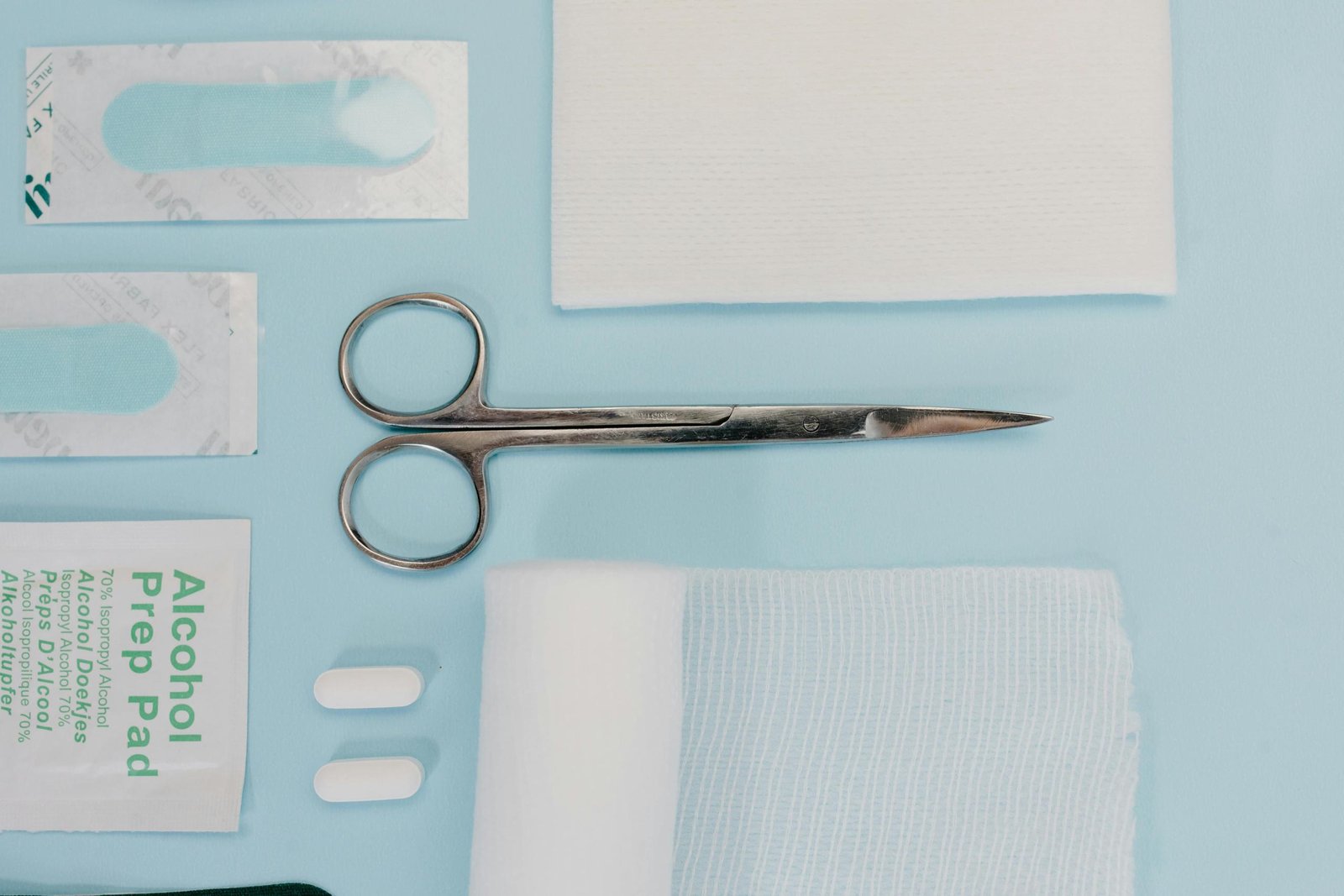
General Post-Operative Instructions
- You may remove your dressings after 3 days, unless you have a splint or cast, or we instructed you not to remove your dressings. Replace with waterproof band-aids. Always keep wounds clean, dry, and covered. It is ok to shower after removal, but do not submerge in a bath or hot tub. A small amount of wound drainage or blood is normal but should diminish and stop 2-3 days after surgery.
- Take pain medication as directed. If able, alternate doses with an anti-inflammatory or NSAID (i.e. Ibuprofen, Advil, Aleve), as needed. Do not take Tylenol products at the same time you are taking pain medications if they have Tylenol (acetaminophen) in them. Gradually taper your pain medication dose as you are able.
- Be very cautious of taking other sedating medications after surgery and while taking any narcotic pain medications. Sleeping aids (Ambien), antihistamines (Benadryl), etc. can cause over-sedation. Please ask before taking these medications.
- Use ice to help decrease swelling and pain after your surgery. You may use at intervals of 20 minutes ON with at least 30 minutes OFF. Do not use ice while you are sleeping. In addition, elevate your operative extremity above the level of your heart to help reduce swelling.
- Sit up and walk around as much as you can, safely. Begin the day of surgery. This helps expand your lungs and prevent blood clots. Take deep breaths. Do ankle pumps (10 sets of 10 reps every hour while awake) to help the blood flow in your legs.
- If you plan to travel (flying or >1 hour of driving) within 2 weeks after surgery, please let us know, as we may recommend added measures to help prevent blood clots depending on your circumstances.
- To return to driving, you must be completely off of pain medications, have good physical control, and be able to steer and brake normally. This means you cannot drive if you are still in a sling or brace. Please ask regarding your specific situation.
- Tips to help minimize scaring:
- Scar message- begin at 3 weeks (2x per day for 6 weeks)
- Ointments- may begin at 1 week (Vaseline, Myderma, Vit E, Vit D, Cocoa butter)
- Limit sun exposure; SPF 30 sunscreen for 12-18 months
- Other- silicone strips, pressure dressings
When to call us
- For any worsening swelling, redness, or pain in the operative extremity that does not respond to appropriate measures. New numbness or weakness in the extremity not related to a nerve block.
- Beware of any signs of blood clots also known as deep vein thrombosis (DVT). These signs include: increased swelling that does not improve with elevation, pain in the calves, or pain with ankle and leg movement. A pulmonary embolism (PE) is a potentially life-threatening condition caused by a blood clot moving up into the lungs. Please seek help immediately for significant chest pain or shortness of breath.
- For dressings, casts, or splints that feel excessively tight.
- For dressings that become saturated, soaked, or soiled.
- Fever >101.5°F. However, a mildly elevated temperature is often present immediately after surgery as a stress response to the surgery and decreased expansion of the lungs.
- Any significant increase in drainage or purulence from the wound.
- Call 911 or present to the Emergency Department immediately for any chest pain, shortness of breath, altered mental status, or any other potentially life-threatening condition.
Procedure Specific Post-op Instructions
View detailed recovery and rehabilitation instructions for your procedure, sorted by body region.
- Shoulder
- Elbow
- Hip
- Knee
- Foot + Ankle