

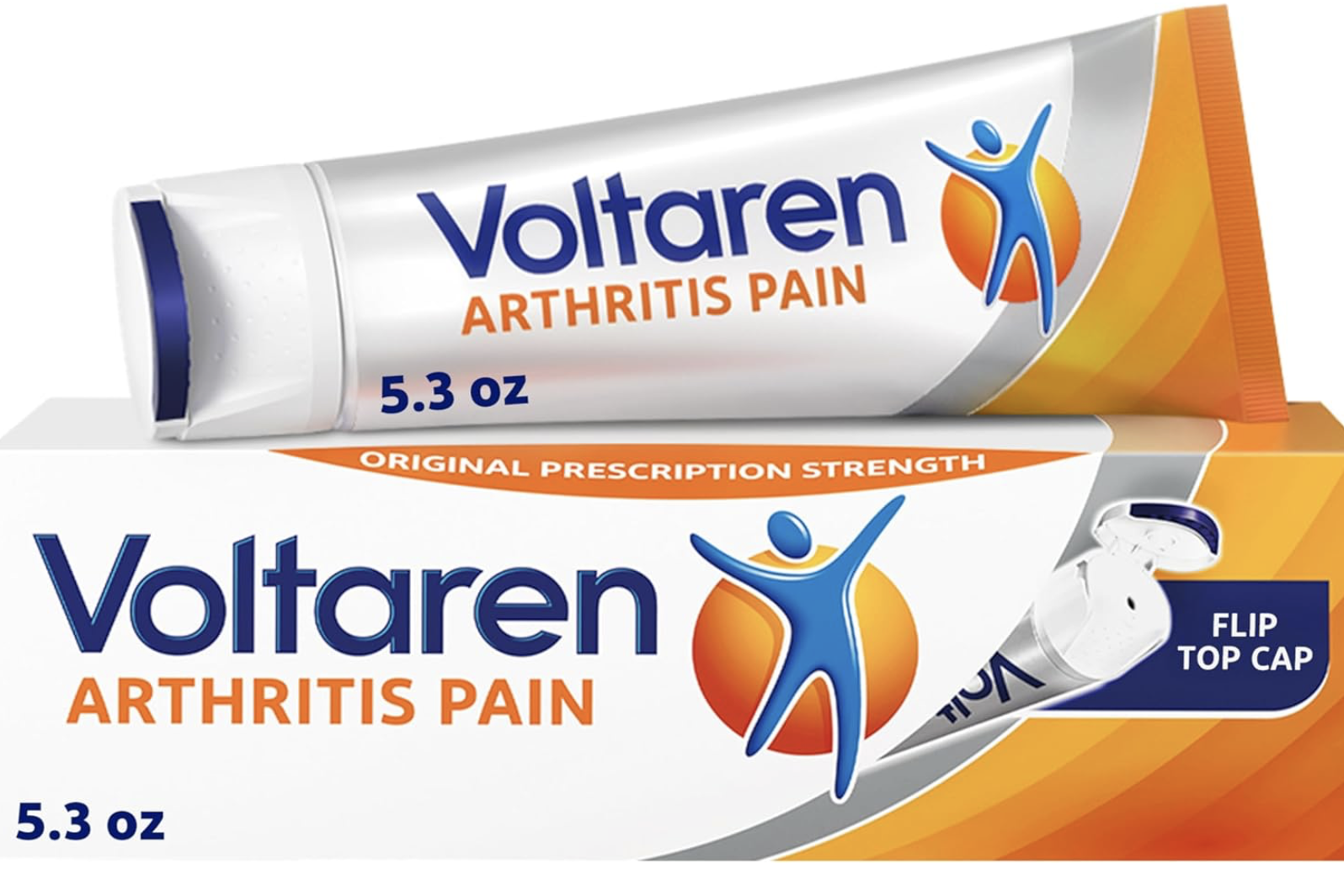
Voltaren Gel
A topical anti-inflammatory used to alleviate pain.
Aleve (Naproxen sodium)
An over the counter NSAID that can help reduce inflammation and pain.
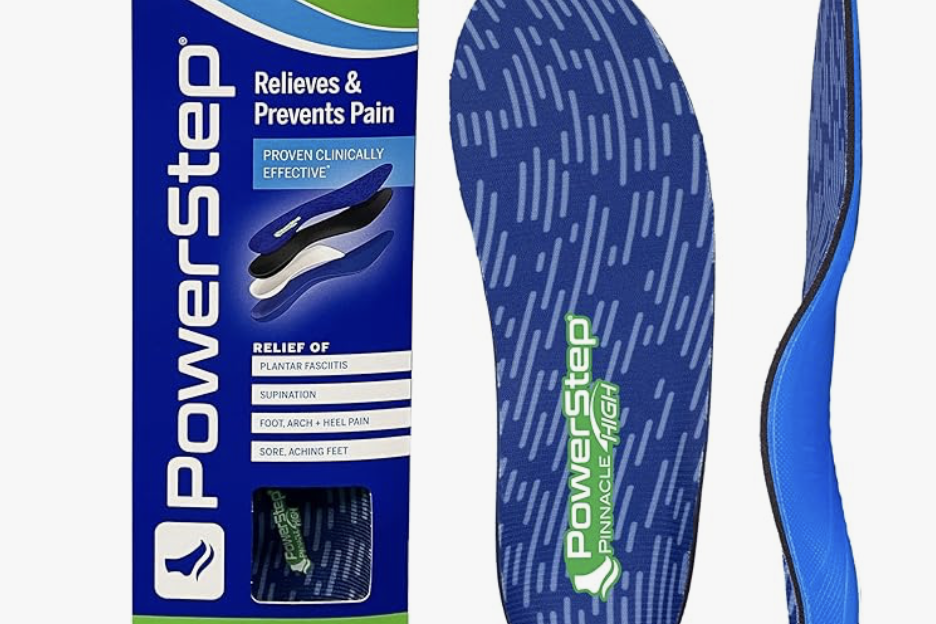
PowerStep Insoles
Orthotic inserts designed to provide arch support and relieve foot and heel pain.
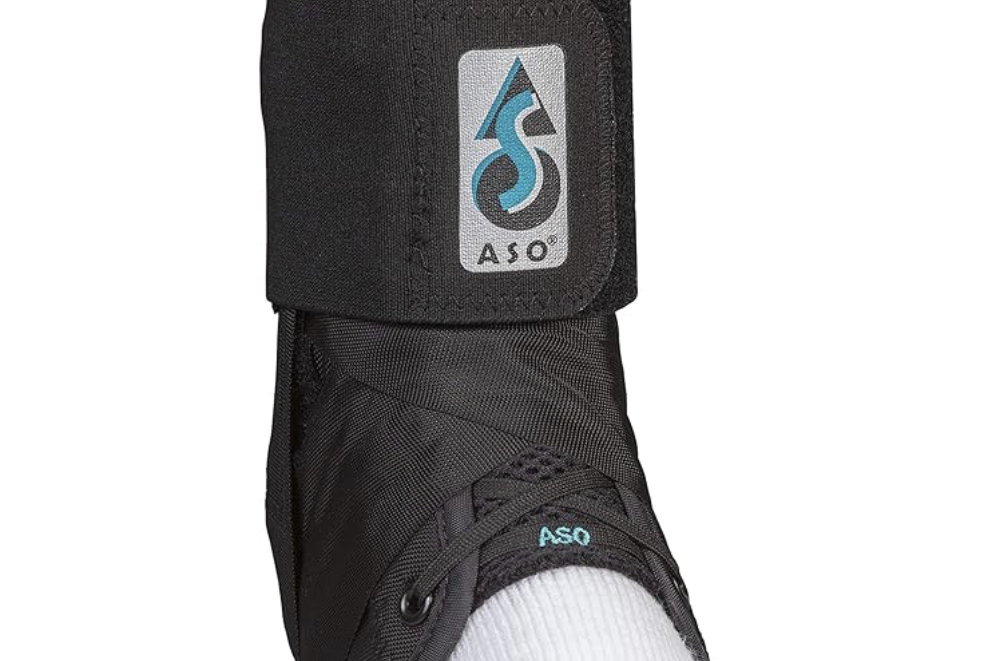
ASO Brace
A supportive brace used to stabilize the ankle during recovery from sprains or chronic instability.
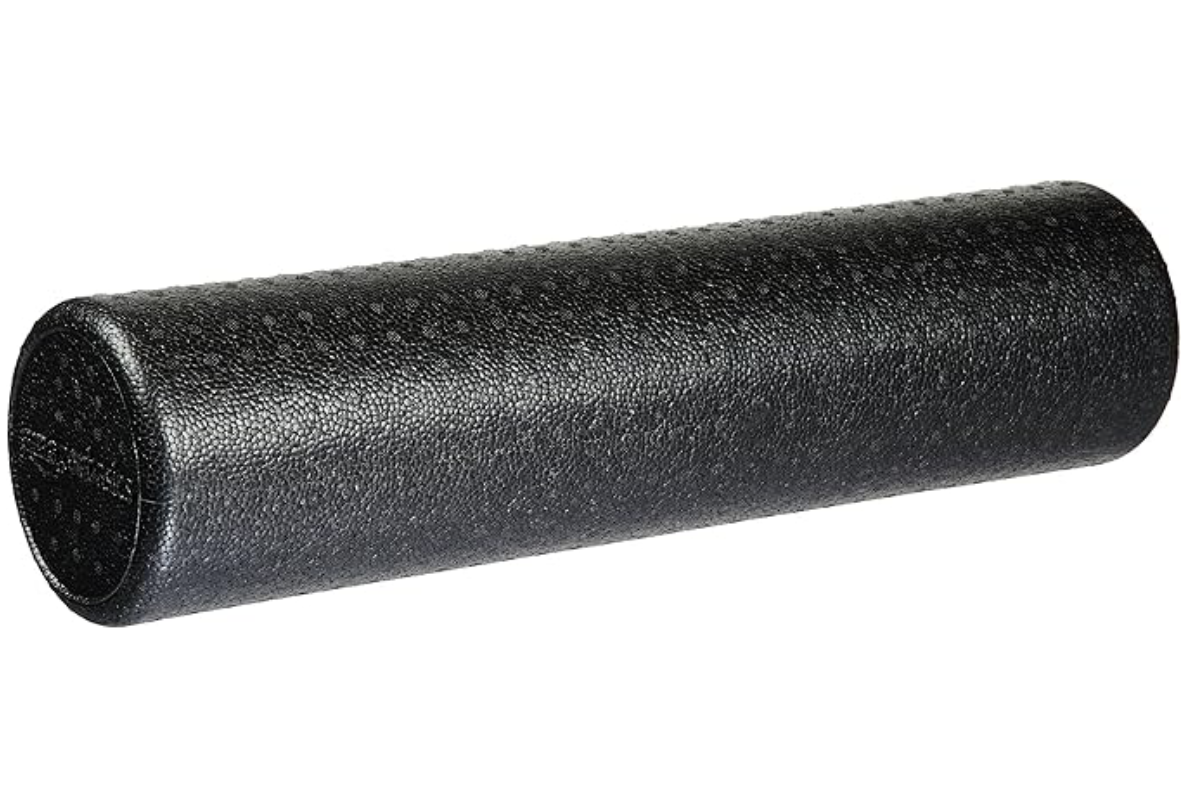
Foam Roller
A tool for muscle recovery and flexibility, to support soft tissue recovery.
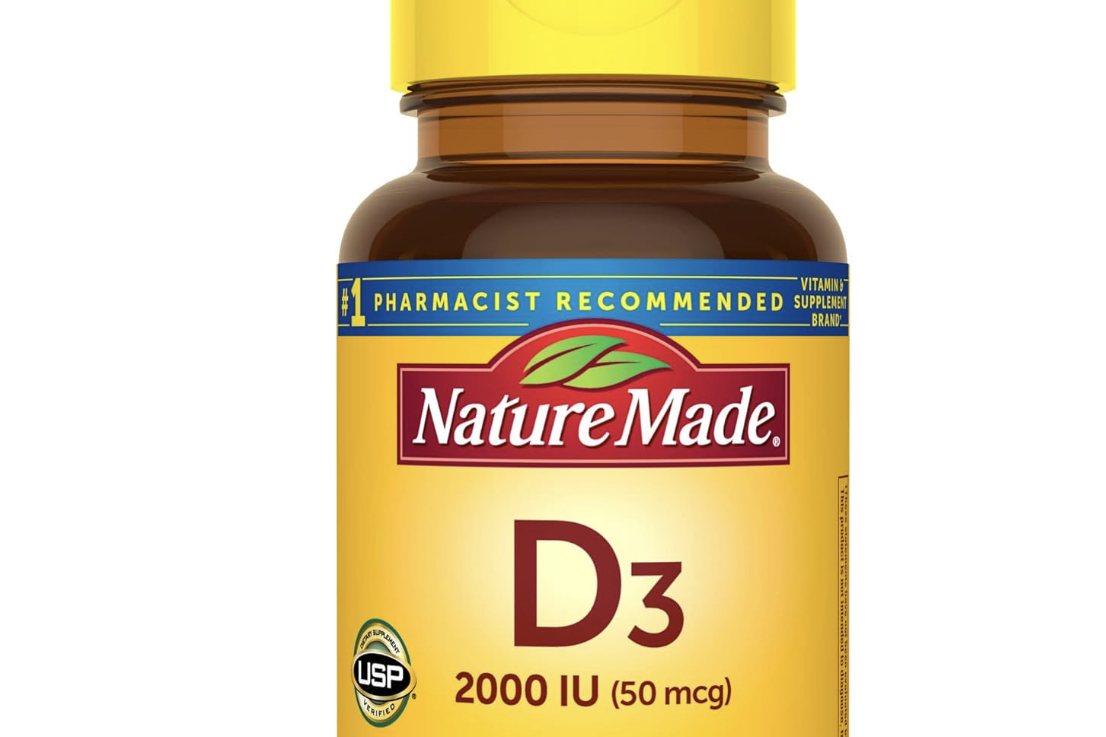
Vitamin D Supplement
Helps your body absorb calcium and keep your bones strong during the healing process.
Nutrition
Proper nutrition can help your body heal faster, reduce inflammation, and rebuild tissues after injury or surgery. Below is a nutrition guideline to aid in recovery from orthopedic injuries.
Nutrition for Injury Recovery
Prioritize Protein
- Protein supports tissue repair and muscle maintenance.
- Sources: Eggs, poultry, fish, lean meats, beans, lentils, Greek yogurt.
- Aim to include a source of protein at every meal
- Aim for 0.6 to 0.8 grams of protein per pound of body weight per day, or 1.2 to 1.7 grams per kilogram of body weight.
Include Anti-Inflammatory Foods
- Why? Reduces swelling and pain during healing.
- Best choices:
- Fatty fish (salmon)
- Olive oil, avocado
- Berries, leafy greens, turmeric, ginger
- Turmeric (can be added to meals or taken as a supplement)
Support Bone Healing
- Key nutrients:
- Calcium: Dairy, leafy greens, fortified milks
- Vitamin D: Sun exposure, eggs, fortified milks, supplements if needed
- Magnesium & Vitamin K: Nuts, seeds, whole grains, broccoli, spinach
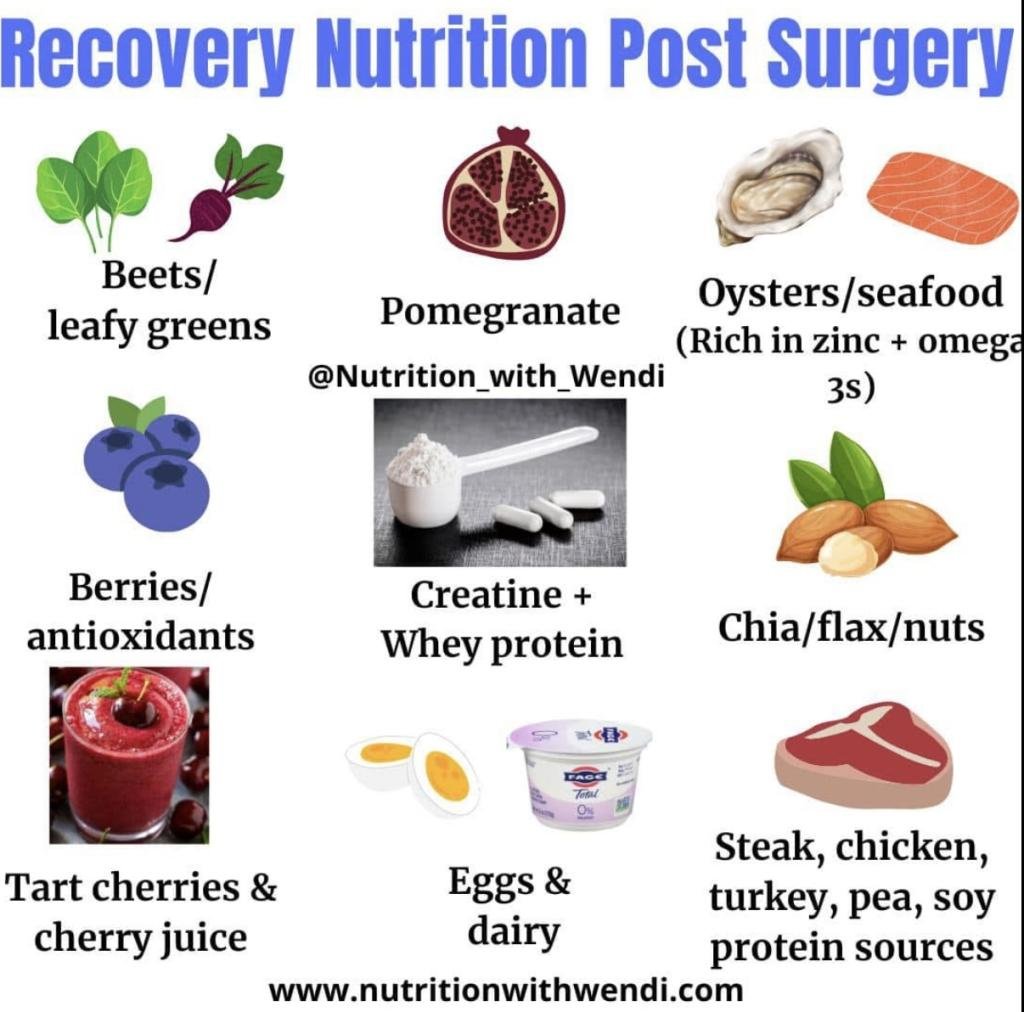
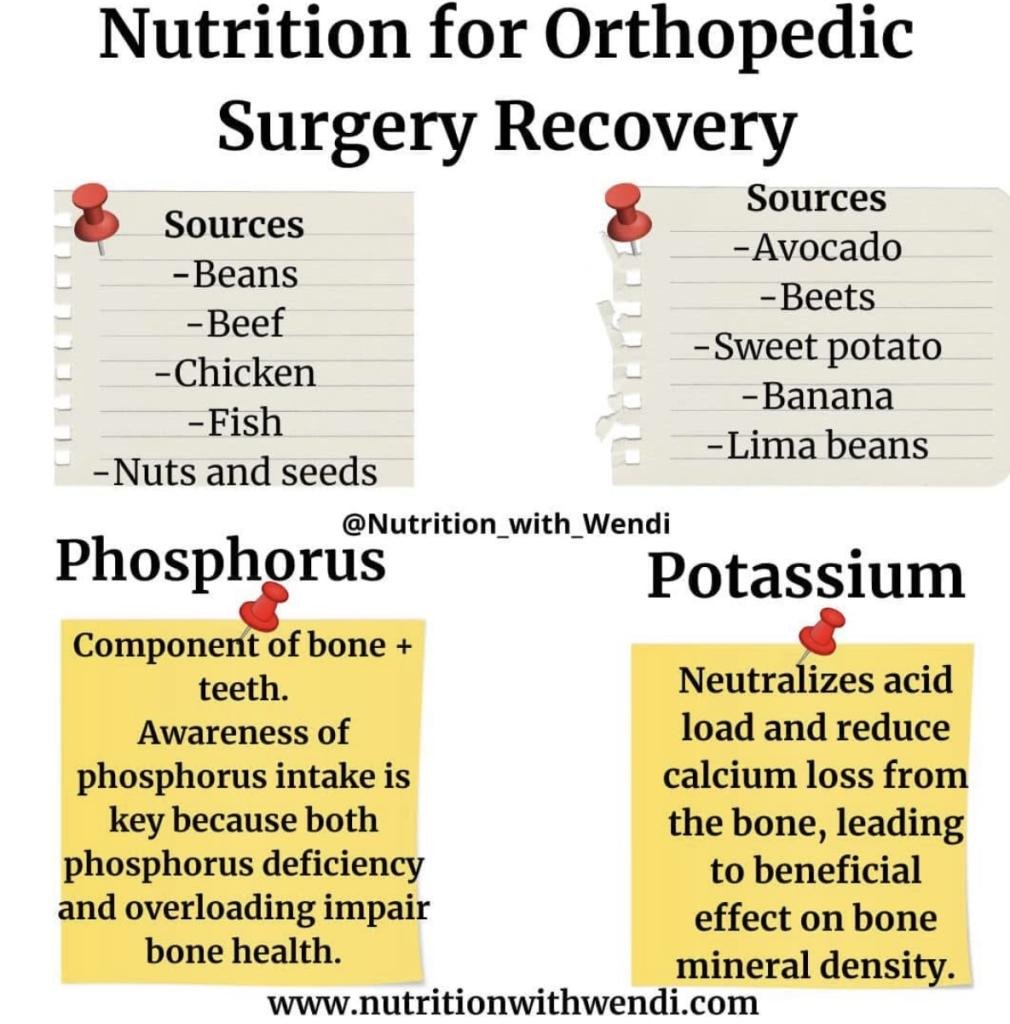
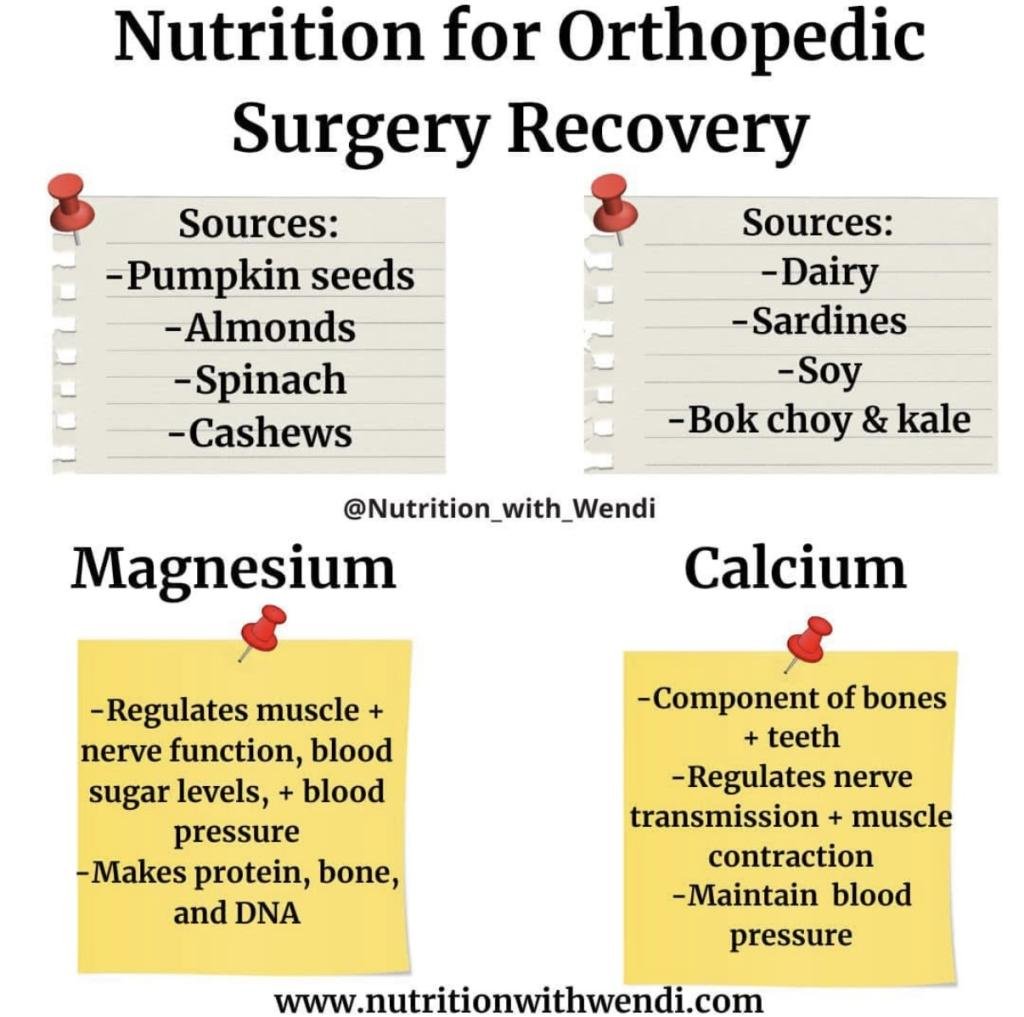
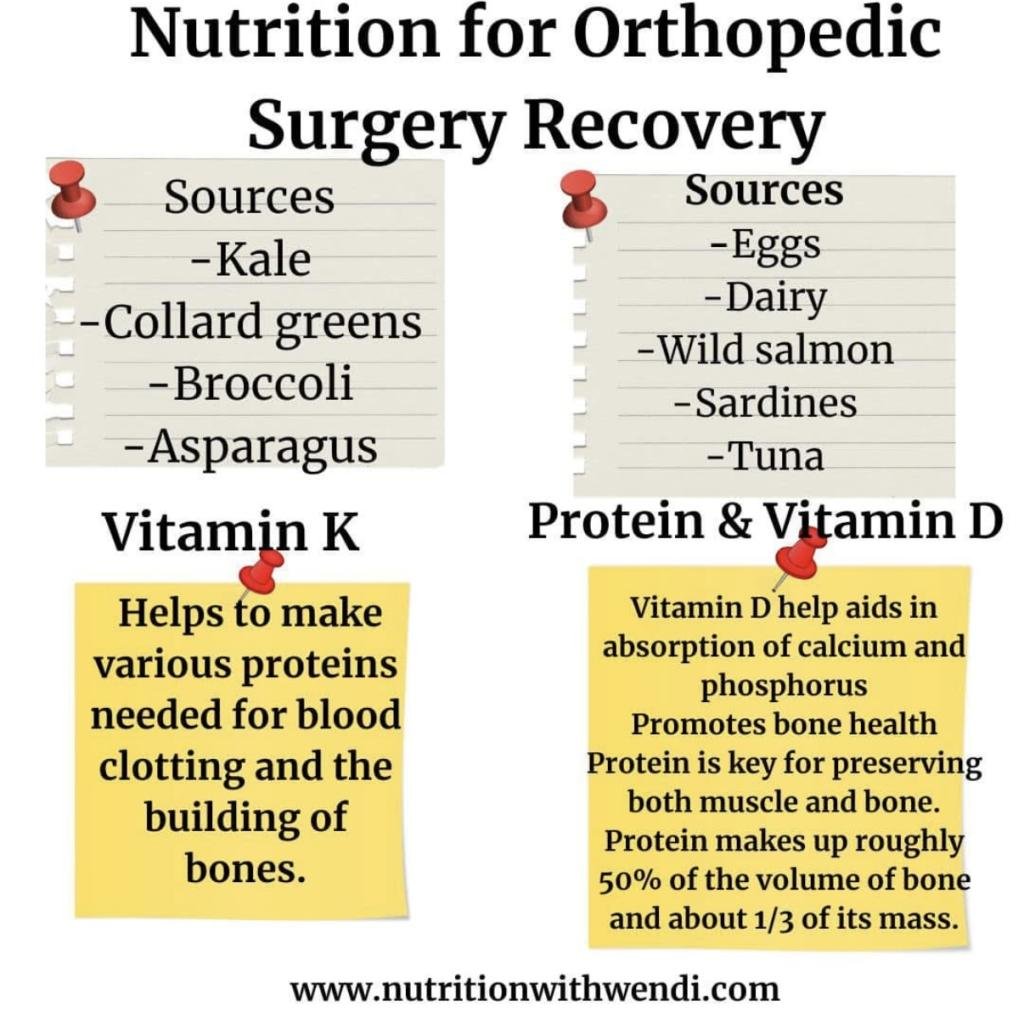
From “Injury Risk Reduction and Muscle Soreness Recovery” by Wendi Irlbeck, MS, RDN. Used with permission. Learn more at nutritionwithwendi.com.
Stay Hydrated
- Drink at least 6-8 cups of water daily.
- Hydration supports circulation and nutrient delivery to healing tissues.
Limit Inflammatory Foods
- Avoid or reduce:
- Sugary drinks/snacks
- Processed and fried foods
- Excess alcohol
Supplement Wisely
- Consider supplements if recommended by a healthcare provider (e.g., vitamin D, calcium, turmeric, or a multivitamin).
Sports Nutrition
To perform at your best, fuel your body with proper nutrition and stay well-hydrated. See below for baseball-specific meal and snack ideas, courtesy of Nutrition With Wendi.
Hydration
- Water is essential. Aim for at least 64 oz/day (8 cups or 1/2 gallon), more if you’re active.
- Drink fluids before, during, and after exercise, even if you’re not thirsty.
- For exercise longer than an hour, drink sports drinks diluted with water.
Macronutrients
- Carbohydrates (60-70%): Main energy source. Found in fruits, veggies, grains, and pasta. Crucial for endurance and high-intensity training.
- Proteins (12-15%): Supports muscle repair. Found in meat, eggs, beans, and dairy.
- Recommended 1.2 to 2.0 grams of protein per kilogram of body weight, or about 0.54 to 0.9 grams per pound.
- Fats (20-30%): Backup energy source. Choose healthy fats when possible.
Pre-Competition Nutrition
- Eat a high-carb meal 3-4 hours before the event.
- Avoid heavy fats and sugars close to competition time.
- Hydrate with 20 oz. water 1-2 hours before and sip fluids throughout the event.
- If participating in an endurance event, consider carbohydrate loading for ~3 days before hand.