
Understanding Clavicle Fracture
If you’ve experienced a sudden, sharp pain in your collarbone area after a fall, a sports injury, or a direct blow to the shoulder, you might have a broken collarbone, also known as a Clavicle Fracture. This is a very common injury that can significantly impact your arm and shoulder movement.
What’s Going On with Your Clavicle?
Your clavicle, or collarbone, is a long, slender bone that runs horizontally across the top of your chest, connecting your breastbone (sternum) to your shoulder blade (scapula). It plays a crucial role in:
- Connecting the Arm to the Body: It acts as a strut that holds your shoulder up and out from your body.
- Protecting Nerves and Blood Vessels: It forms a protective barrier for important nerves and blood vessels that pass underneath it.
- Allowing Full Arm Movement: It’s essential for the wide range of motion your arm and shoulder can achieve.
A clavicle fracture occurs when this bone breaks. These breaks can happen in different places along the collarbone – most commonly in the middle, but sometimes closer to the sternum or closer to the shoulder.
Causes of clavicle fractures often include:
- Falls: Falling directly onto the shoulder or onto an outstretched arm.
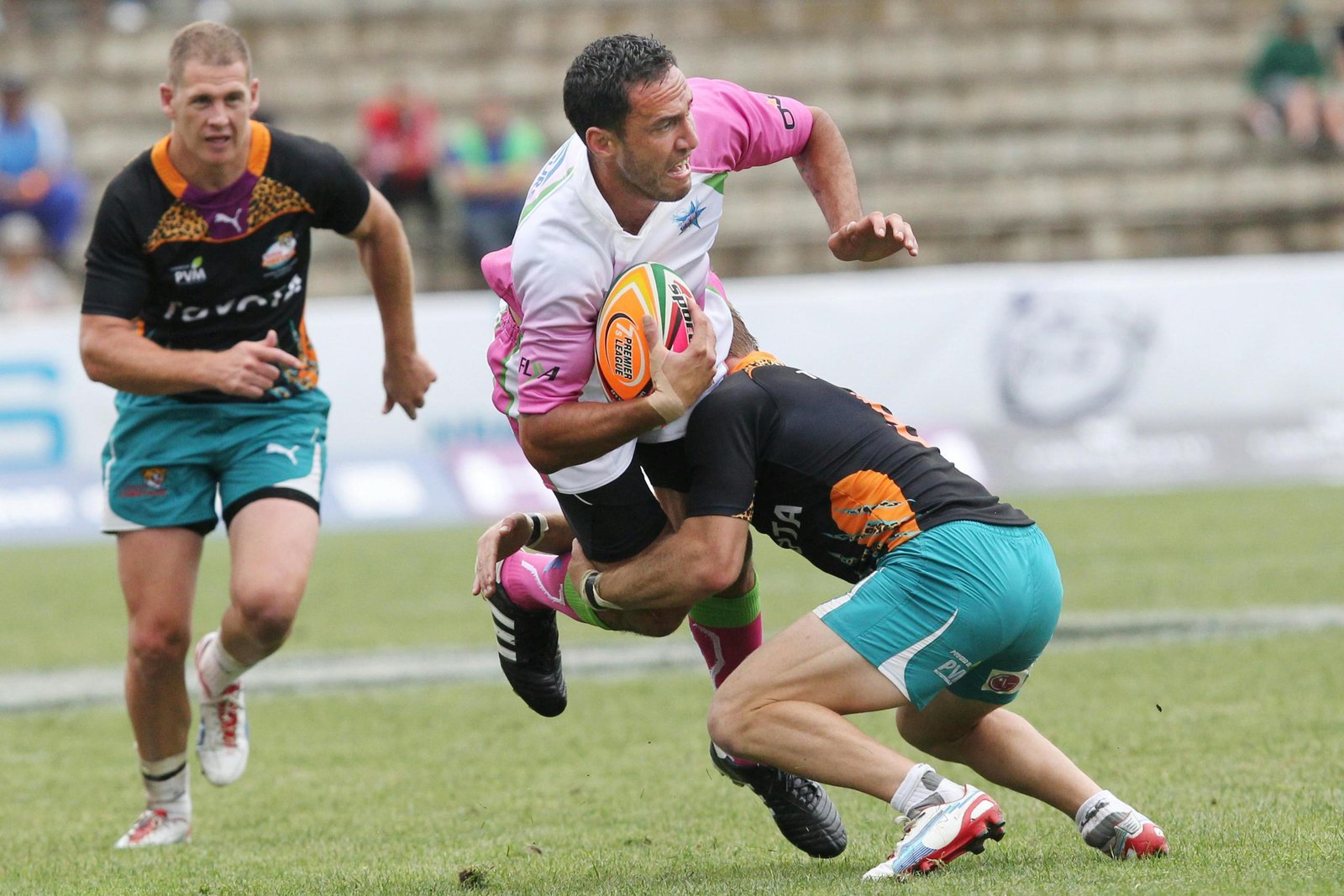
- Sports Injuries: Common in contact sports like football, rugby, or wrestling, or from impacts in cycling or skiing.
- Motor Vehicle Accidents: Direct impact to the shoulder.
When the clavicle breaks, you’ll typically experience immediate pain, tenderness, swelling, and sometimes a visible deformity or bump over the fracture site. Moving your arm, especially lifting it, can be very difficult and painful.
How is a Clavicle Fracture Managed?
The treatment for a clavicle fracture depends on the severity of the break, its location, and how displaced the bone fragments are.
- Non-Surgical Management: Many clavicle fractures heal well without surgery. This typically involves:
- Immobilization: Using a sling or a figure-of-eight brace to support the arm and keep the broken bone stable while it heals.
- Pain Management: Medications to control pain.
- Rest: Limiting activities that could disrupt healing.
- Surgical Management: Surgery might be recommended for fractures where:
- The bone fragments are significantly displaced or overlap.
- The skin is “tented” or at risk of breaking.
- There are multiple breaks (comminuted fracture).
- The fracture involves the joint near the shoulder (distal clavicle).
- The patient desires a potentially faster return to high-demand activities. If surgery is performed, it typically involves Open Reduction Internal Fixation (ORIF). The surgeon makes an incision over the collarbone, realigns the bone fragments, and then secures them in place with metal plates and screws.
Life After a Clavicle Fracture (and Repair):
Whether your clavicle fracture is managed non-surgically or with surgery, physical therapy is a vital part of your recovery once your doctor gives the go-ahead. Your physical therapist will guide you through a structured rehabilitation program, which typically includes:
- Protecting the Healing Bone: Initially, you’ll continue to protect the fracture site, usually with a sling, to allow the bone to mend.
- Gradual Movement Restoration: As healing progresses, you’ll begin gentle, controlled exercises to slowly regain the range of motion in your shoulder and arm. This often starts with pendulum exercises and progresses to active movements.
- Progressive Strengthening: Your therapist will introduce strengthening exercises for your shoulder muscles (rotator cuff, deltoid, and shoulder blade muscles) and eventually your arm, to rebuild power and stability.
- Functional Return: As you progress, your therapist will help you gradually return to your daily activities, work tasks, and sports, ensuring proper body mechanics and a safe progression back to full function.
Recovery from a clavicle fracture can take several weeks to many months, depending on the severity and treatment. Following your physical therapist’s instructions closely and being patient with the healing process are crucial for achieving the best possible outcome and safely returning to your desired activities with a strong, pain-free shoulder.